The land of Parmigiano and cured meats
Living in an open-air pantry
When I tell my guests that Podere Montevalle sits exactly on the border between the provinces of Piacenza and Parma, they often don't realise what that means in gastronomic terms. It means being at the heart of one of Italy's richest areas for typical products. Parmigiano Reggiano is literally made just a few kilometres from here. Piacenza's DOP cured meats — coppa, salame, pancetta — are produced in the houses and workshops of these hills. Fresh pasta is handmade in every trattoria. And the wines of the Colli Piacentini have accompanied all of this for centuries.
This isn't guidebook gastronomy: it's the everyday cooking of the families who live here. And the wonderful thing is that you can experience it too — buying directly from producers, eating in the trattorias where locals eat, taking a piece of this land home with you.

Parmigiano Reggiano: the king of cheeses
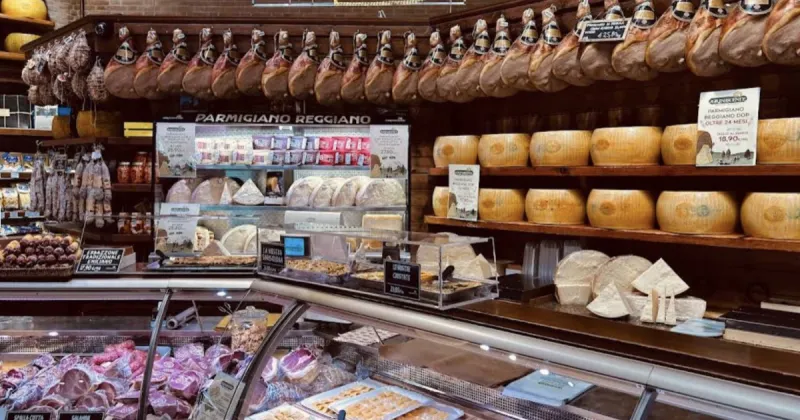
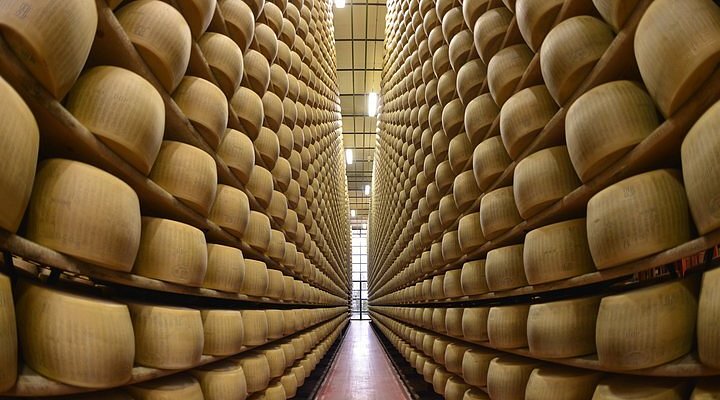
Parmigiano Reggiano needs no introduction, but watching it being made is something else entirely. The DOP production area covers the provinces of Parma, Reggio Emilia, Modena and parts of Bologna and Mantua — and we're right in the middle. Local dairies produce Parmigiano following rules that have remained essentially unchanged for nine centuries: raw milk, natural rennet, salt and time. Lots of time.
The place I recommend to my guests is Caseificio La Madonnina, less than eight kilometres from the Podere. It's a small family-run dairy with an attached shop where you can buy wheels of different ages — from young (12-18 months, sweet and soft) to "stravecchio" (over 36 months, intense and granular). The shop also sells local cured meats and other specialities. This isn't a packaged tourist experience: it's a real working dairy.
For a wider selection, Agrinascente in Fidenza (near the motorway exit) is an outlet of the Silvano Romani group with an excellent choice of Parmigiano, cured meats and Emilian specialities. Convenient for stocking up before heading home.
Practical info — Where to buy Parmigiano
Caseificio La Madonnina: 7.7 km from the Podere — Website · Google Maps
Agrinascente (Fidenza): 14.1 km from the Podere — Website · Google Maps
Piacenza cured meats: coppa, salame and pancetta
If Parmigiano is the king, Piacenza's DOP cured meats are the court. Coppa piacentina, salame piacentino and pancetta piacentina all carry the DOP mark and are produced according to strict regulations. Coppa in particular is one of Emilia's lesser-known gems outside the region: aged for at least six months, it has a delicate flavour and a sweetness that surprises anyone used to other types of salumi.
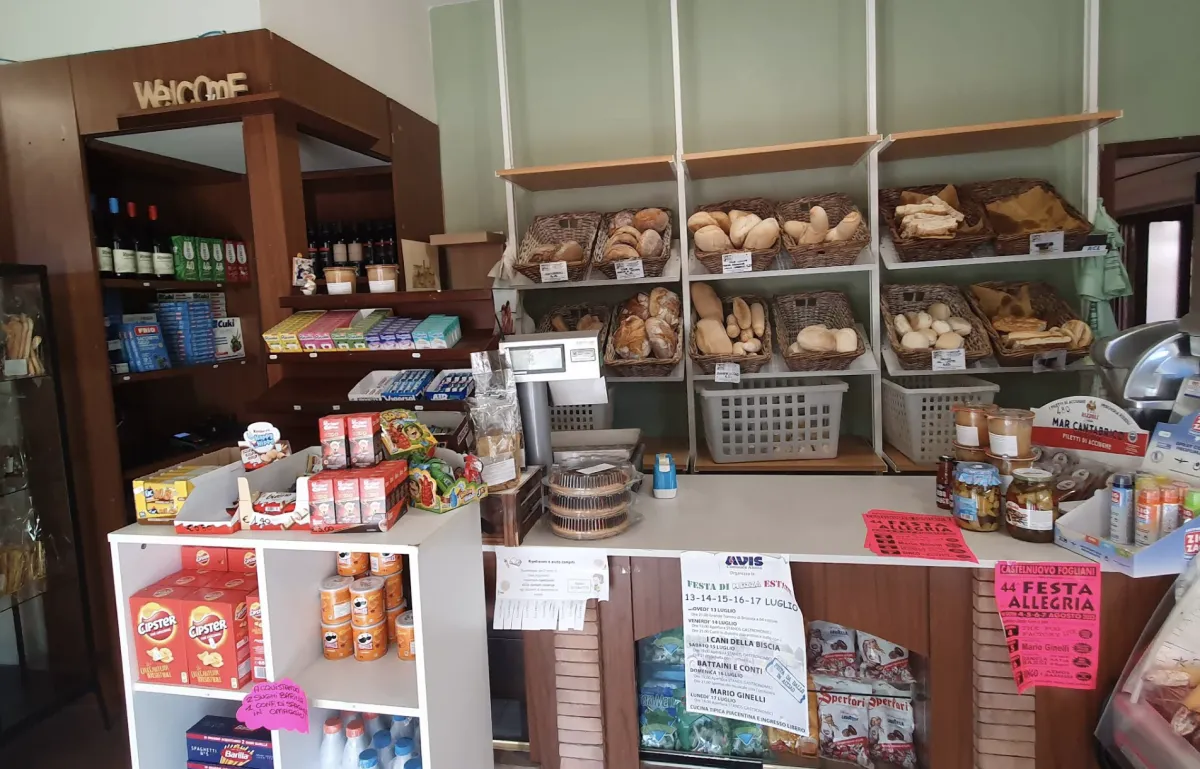
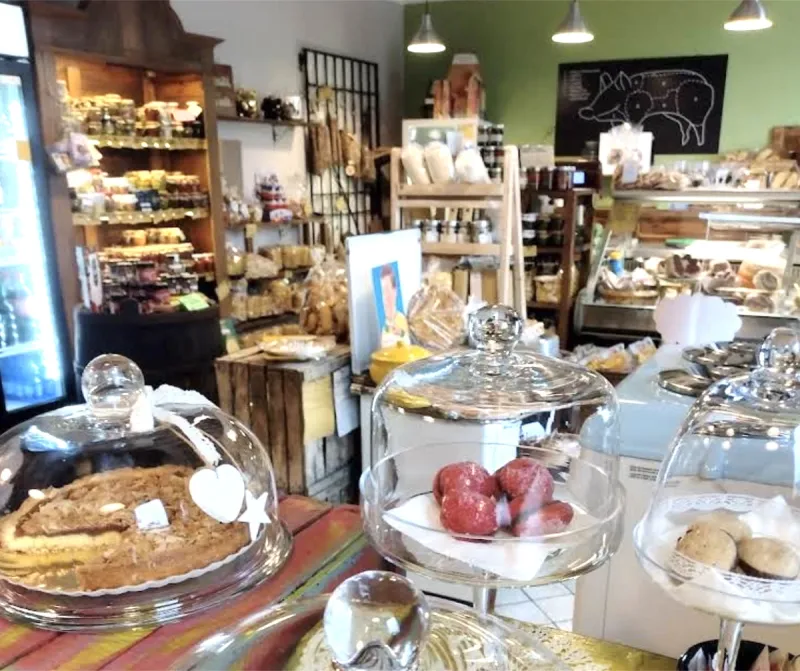
For tasting and buying cured meats close to the Podere, my first recommendation is Pane e Salame in Castelnuovo Fogliani, two kilometres from here. It's a small grocery with carefully selected local products and homemade ready meals — perfect if you want to have dinner in your apartment with local ingredients without cooking. Next door is Panificio Sapore di Grano, ideal for fresh bread, pastries and other baked goods.
Practical info — Where to buy cured meats and local products
Pane e Salame (Castelnuovo F.): 2.3 km from the Podere — closed Mondays and Sunday afternoons
Panificio Sapore di Grano: 2.3 km from the Podere
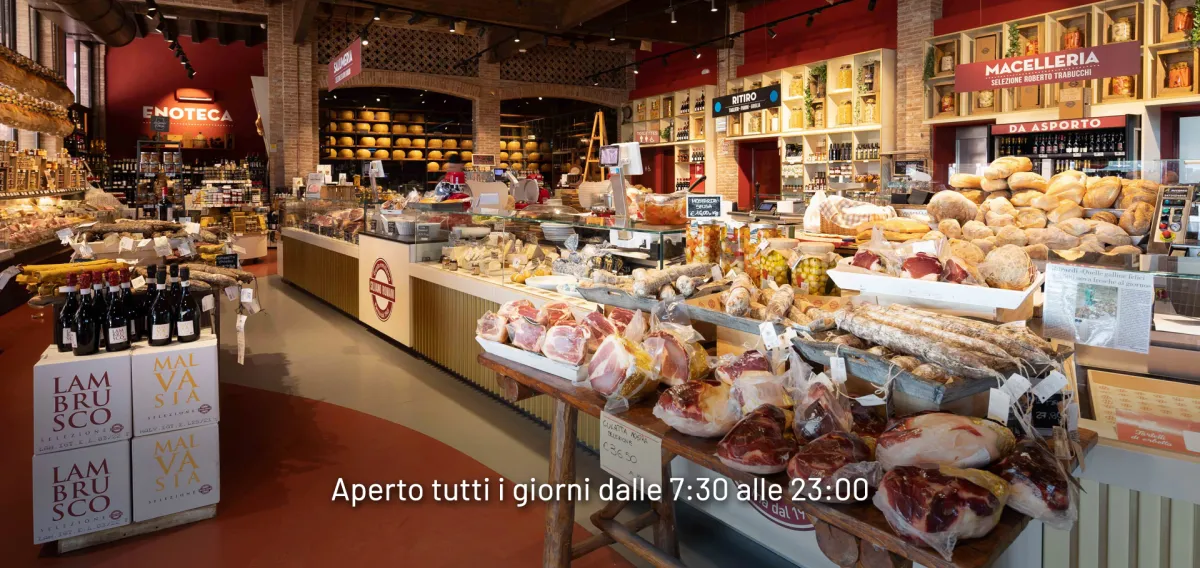
For a complete stop: KM90 Ristobottega Emiliana (Fidenza), shop + bar + restaurant, always open — Website
Fresh pasta and traditional dishes
Fresh pasta is the heart of Emilian cuisine. Every area has its specialities and here, on the border between Parma and Piacenza, you encounter two traditions at once. The dishes you'll find in every local trattoria are:
- Anolini in brodo — the Piacenza version has a braised beef filling, the Parma version is lighter with Parmigiano and breadcrumbs. Both sublime
- Pisarei e fasö — small bread gnocchi with beans and tomato: the quintessential Piacenza peasant dish, disarmingly good
- Tortelli — filled with ricotta and spinach or pumpkin, depending on the season
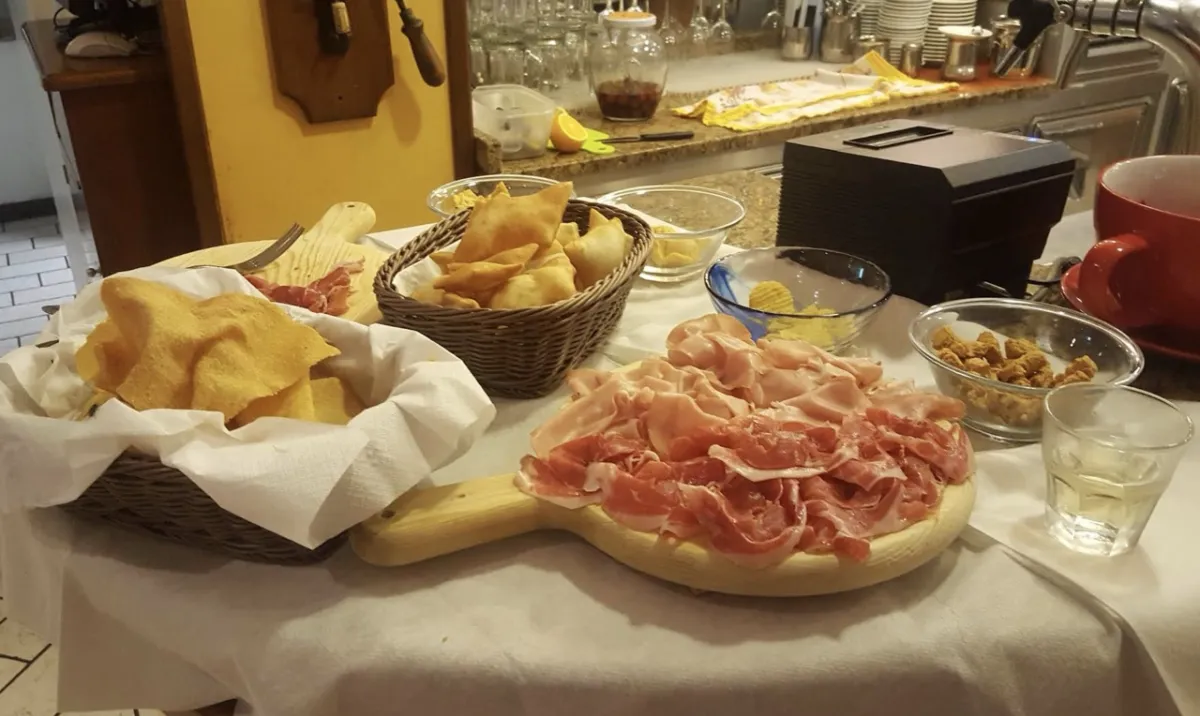
- Torta fritta (fried dough) — fried pastry served with cured meats and cheeses, the Emilian street food that creates addiction
For torta fritta, the reference point is Trattoria Cavallo – La Tortafritteria in Scipione Ponte, which also has a local produce shop and a gelateria. Another excellent address is Bollicine & Tortafritta in Vigoleno, with a view of the castle.
The wines of the Colli Piacentini
The hills around the Podere have been wine country for millennia. Gutturnio, Ortrugo, Malvasia, Bonarda, Monterosso Val d'Arda, Vin Santo di Vigoleno: the Piacenza winemaking tradition is extraordinarily rich and well worth exploring. The best way to discover it is to taste the wines in local trattorias, where they're always on the list, or to visit a winery directly — Cantina Il Casello in Bacedasco Basso, just 5 km from the Podere, offers guided tastings with local products.
I've written a full guide to the wines of the Colli Piacentini with the history of the grape varieties, food pairings and all the details for cellar tastings.
My recommendation
If I had to suggest one single food experience to my guests, it would be this: in the morning go to Caseificio La Madonnina to see the Parmigiano and buy a piece. Then stop at Pane e Salame in Castelnuovo for cured meats and fresh bread. At lunch, a trattoria with pisarei e fasö and a glass of Gutturnio. And in the evening, in your apartment at the Podere, open the Parmigiano, the salumi and a bottle of Ortrugo. This is the territory on a plate.
If you'd like a more structured route, I've prepared a dedicated itinerary that combines villages and Parmigiano in a full day. And if you're passionate about wine, don't miss the guide to the wines of the Colli Piacentini.